
Chennai
The four-year scheme which began in 2012 includes 223 dams from TN, Kerala, Odisha and Madhya Pradesh, of which TN’s share is 113 dams, according to PWD sources. Currently 75 dams are covered by DRIP. “The scheme will ensure that rehabilitated dams are more efficient in regard to water storage and supply,” they added.
Sources added that “reservoirs to be handled by the department’s WRD (Water Resources Division) include 70 dams, four drinking water reservoirs and one anicut, while 38 dams used exclusively for power generation and controlled by TANGEDCO are also included.” Agricultural engineering department (AED) reservoirs include the Krishnagiri and Kundah reservoirs. While 80 per cent cost is being covered by the World Bank, the Tamil Nadu government will provide the remaining 20 per cent funds.
Work has commenced on 23 dams, (work was taken up in the Chennai, Madurai, Trichy and Pollachi divisions), and administrative sanction was recently accorded for another 24 while details of 28 dams were forwarded to the World Bank for approval.
Once completed the refurbished dams will be more efficient in water distribution and storage. Norms of dams have changed over years. While international norms credit a reservoir with more than 600 million CFT as a major dam, state norms claim that one with more than 60 feet water depth is a large dam.
“The department usually follows these international standards,” department sources added.
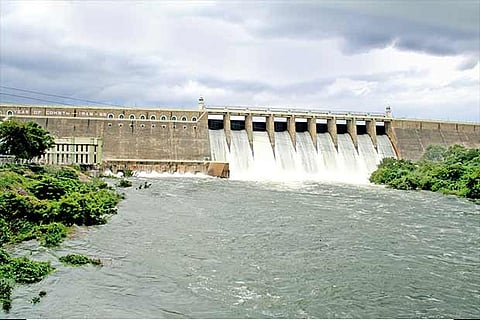
75 Tamil Nadu dams to be spruced up for newer, better and longer service.
Scheme Detail:
Reservoirs in Drip Scheme
Fact File
Visit news.dtnext.in to explore our interactive epaper!
Download the DT Next app for more exciting features!
Click here for iOS
Click here for Android